

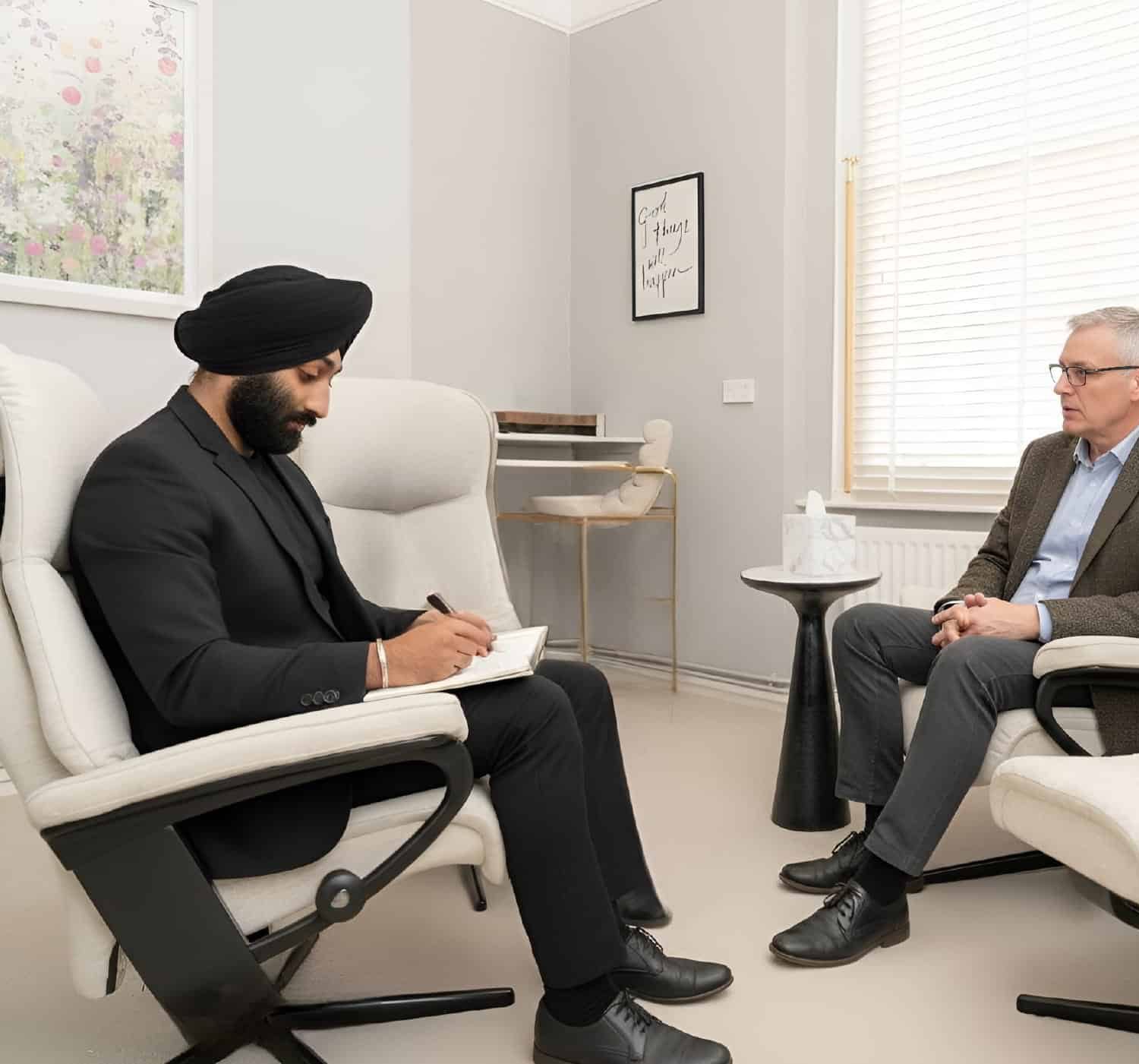
Anxiety after drinking is sometimes known as “hangxiety”. It can involve worry, dread, restlessness or repeatedly thinking about what happened the night before. Alcohol can affect your mood, sleep and stress response as it wears off. Mild symptoms often improve as the hangover passes, but severe or persistent symptoms may require medical support.
You might wake up with a racing heart, a tense stomach or an overwhelming feeling that something is wrong. Alternatively, you may spend the day replaying conversations and worrying that you embarrassed yourself.
Understanding why this happens can make the experience feel less confusing. It may also help you decide whether changing your drinking habits or seeking support would be beneficial.
“Hangxiety” combines the words hangover and anxiety. It describes the anxious feelings some people experience during or after a hangover.
It is not a formal medical diagnosis. However, the symptoms can feel very real and may affect your concentration, mood and ability to complete everyday tasks.
Hangxiety can happen even if you do not usually experience anxiety. However, alcohol may make existing anxious thoughts feel more intense.
Hangxiety can affect your thoughts and body. Common symptoms include:
These symptoms can also have other causes. Seek medical advice if they are severe, unusual or do not improve.
Anxiety after drinking rarely has one single cause. Changes in your body, poor sleep and emotional concerns about the previous night may all contribute.
Alcohol is a depressant that slows activity in the brain and central nervous system. Initially, this may make you feel more relaxed, talkative or less inhibited.
However, these effects do not last. As alcohol leaves your system, your brain and body work to return to their usual balance. During this period, some people feel tense, restless or unusually alert.
The effect may be more noticeable after heavier drinking or if you already experience anxiety.
Alcohol may help you fall asleep more quickly, but it can reduce sleep quality and cause you to wake during the night.
After poor sleep, it is often harder to regulate your emotions and judge situations calmly. Minor concerns may feel more threatening, while uncertainty about the night before can become harder to manage.
If anxious mornings also happen when you have not been drinking, read our guide explaining why you may wake up feeling anxious.
A hangover can involve nausea, sweating, shaking, dizziness and a noticeable heartbeat. These sensations may resemble the physical symptoms of anxiety or panic.
For example, noticing your heart beating quickly may cause you to worry that something is seriously wrong. That fear can intensify the sensation and create a cycle of physical discomfort and anxious thinking.
Do not automatically assume that every physical symptom is anxiety. Chest pain, significant breathing difficulty, fainting and other severe symptoms require urgent medical assessment.
Alcohol can affect judgement, memory and inhibition. The following day, you may worry about:
When you cannot remember everything clearly, your mind may fill in the gaps with worst-case scenarios. This uncertainty can fuel overthinking even when nothing serious happened.
Some people use alcohol to feel more confident in social situations or escape stressful thoughts temporarily.
Although alcohol may provide short-term relief, the underlying concern is still present when its effects wear off. Poor sleep and hangover symptoms can then make the anxiety feel stronger.
This can create a cycle:
Recognising this pattern does not mean you should blame yourself. However, it may indicate that you need a healthier way to manage stress or social anxiety.
This table is a general guide and cannot diagnose the cause of your symptoms.
| What you notice | Possible contributor |
|---|---|
| Racing thoughts or dread | Poor sleep, alcohol wearing off or existing anxiety |
| Replaying conversations | Regret, uncertainty or gaps in your memory |
| Shaking or sweating | A hangover, panic or possible withdrawal |
| A noticeable heartbeat | Anxiety, dehydration or another health issue |
| Nausea or stomach discomfort | Hangover symptoms combined with anxiety |
| Symptoms after frequent heavy drinking | Possible withdrawal requiring medical advice |
Mild hangxiety often improves as the other hangover symptoms settle. For many people, this happens within several hours or by the end of the following day.
However, there is no exact timeframe that applies to everyone. Symptoms may last longer depending on:
Speak to your GP if anxiety continues for several days, regularly follows drinking or significantly affects your daily life.
There is no instant cure for anxiety after drinking. However, a few sensible steps may make the day easier while your body recovers.
“Hair of the dog” may temporarily hide the symptoms, but drinking again can delay recovery and continue the alcohol-anxiety cycle.
Sip water, rest and have a balanced meal or plain snack if you feel able. Rehydration can support hangover recovery, but it cannot treat dangerous withdrawal.
Seek medical advice if you are vomiting repeatedly or cannot keep fluids down.
Strong coffee and energy drinks can increase shaking, restlessness or a noticeable heartbeat. Consider avoiding them until you feel physically settled.
Try the 5-4-3-2-1 exercise:
This will not remove the hangover. However, it can direct your attention away from repetitive thoughts and towards your surroundings.
If you are worried about something you said or did, speak to a trusted person who was there. They may provide context and help you separate what happened from what you fear happened.
Before checking every message or assuming the worst, pause and identify what you actually know.
What I know:
What I am assuming:
If there is something you genuinely need to address, wait until you feel physically calmer. Then send a simple message or apologise without repeatedly seeking reassurance.
Our guide on how to stop overthinking includes further techniques for challenging assumptions and repetitive thoughts.
The only way to remove the risk of hangxiety caused by alcohol is not to drink. If you choose to drink, you may reduce the likelihood or severity by:
The UK Chief Medical Officers’ low-risk drinking guidelines advise adults who drink regularly to consume no more than 14 units per week. These units should be spread across three or more days rather than saved for one session.
Low risk does not mean no risk. Pay attention to how alcohol affects your mental and physical health.
An ordinary hangover and alcohol withdrawal are not the same.
Withdrawal can occur when someone who is physically dependent on alcohol suddenly stops or substantially reduces their intake. Early symptoms may include shaking, sweating, nausea, agitation, anxiety and difficulty sleeping.
Severe alcohol withdrawal can be life-threatening.
Call 999 or attend A&E for symptoms such as:
If you drink heavily or regularly and think you may be dependent, do not suddenly stop without medical guidance. Contact your GP or an alcohol-support service for advice about reducing safely.
Speak to your GP or another qualified professional if:
You can also contact Drinkline through the NHS on 0300 123 1110. It is a free, confidential service for anyone concerned about their own or somebody else’s drinking.
Therapy may help you understand why you drink, identify emotional triggers and develop other ways to respond to stress or social anxiety.
Hypnotherapy uses focused attention and guided relaxation to explore thoughts, beliefs and behavioural patterns. Some people use it as part of a wider support plan to build confidence, manage triggers or change an unwanted habit.
Hypnotherapy is not a medical detox and should never replace professional treatment for alcohol dependence or withdrawal. It is not guaranteed to work for everyone.
At Platinum Mind Therapy, sessions are tailored to the individual. A consultation can help determine whether hypnotherapy may be appropriate for your circumstances.
Alcohol can affect your sleep, mood and physical stress response. Hangover symptoms, uncertainty about the previous night and existing anxiety may all contribute.
Mild hangxiety often improves within several hours or as the hangover passes. Seek professional advice if it continues, becomes severe or happens regularly.
Some people experience panic-like symptoms after drinking, including shaking, dizziness, dread and a racing heartbeat. Severe, new or unexplained physical symptoms should be medically assessed.
Avoid more alcohol, rest, sip water, eat if you can and reduce caffeine. Grounding exercises and speaking to someone you trust may help with anxious thoughts.
Not always. However, anxiety accompanied by shaking, sweating, vomiting, agitation or hallucinations after frequent heavy drinking may indicate withdrawal. Seek medical advice rather than attempting to detox alone.
Anxiety after drinking may be a temporary part of a hangover. However, recurring symptoms can reveal an unhealthy relationship between alcohol, stress and emotional wellbeing.
Consider tracking when you drink, how much you consume and how you feel afterwards. This may help you identify patterns and decide whether reducing your intake or seeking support would be beneficial.
Platinum Mind Therapy provides personalised hypnotherapy and mind-based therapy in Leamington Spa, Birmingham and online. Book a complimentary consultation to discuss the emotional patterns or triggers affecting you.
 Optimized by Seraphinite Accelerator