
The fear of being alone is commonly called autophobia. It is also sometimes referred to as monophobia or isolophobia. This fear goes beyond simply disliking solitude — it can cause intense anxiety, panic, and emotional distress when a person is alone or anticipates being alone.
For many people, autophobia can interfere with daily life, relationships, work, and emotional well-being. The good news is that it is treatable, and support is available.
Autophobia is an anxiety-related phobia where a person experiences overwhelming fear at the idea of being alone, even in safe or familiar environments. Someone with autophobia may feel distressed when left on their own at home, when a partner leaves the room, or even when they imagine being alone in the future.
Unlike enjoying company or preferring social interaction, autophobia is driven by fear, not preference.
You may see this fear referred to by different terms, including:
All of these describe a similar experience and are often used interchangeably.
Symptoms can be emotional, physical, and behavioural, and may include:
Emotional symptoms
Physical symptoms
Behavioural symptoms
Autophobia often develops due to past experiences or emotional patterns, such as:
In many cases, the fear is not about being physically alone, but about how being alone makes the person feel.
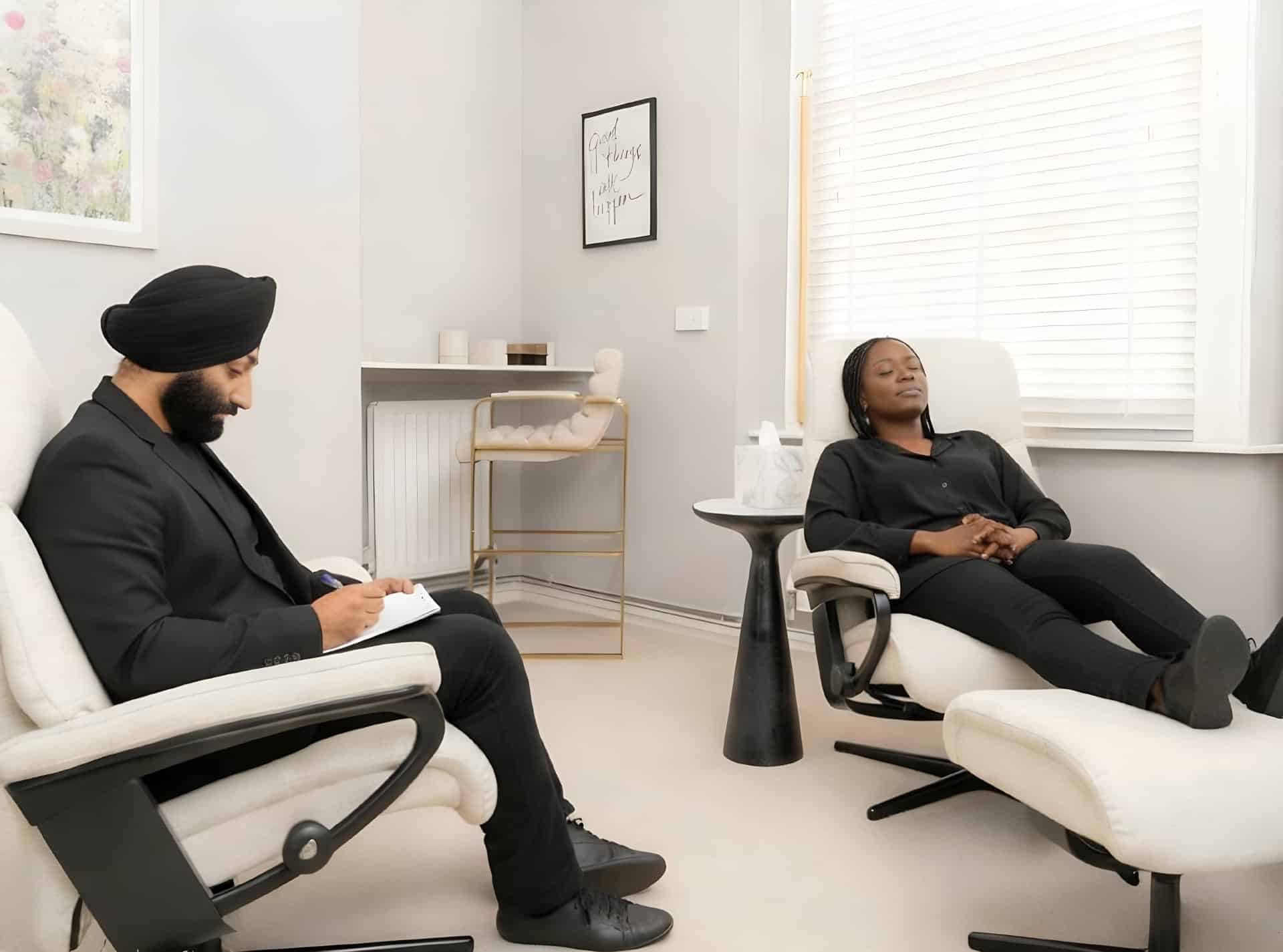
The fear of being alone is highly treatable with the right support. At Platinum Mind Therapy, treatment is tailored to the individual and may include:
Hypnotherapy
Hypnotherapy helps address subconscious fears and emotional responses linked to being alone, allowing the mind to feel safer and more in control.
EMDR Therapy
EMDR can be effective when autophobia is linked to trauma, past events, or distressing memories that trigger fear when alone.
Anxiety-Focused Therapy
Therapy can help change negative thought patterns, build emotional resilience, and develop healthier coping strategies.
Yes. With the right therapy, many people experience significant improvement or complete relief from autophobia. Treatment focuses on:
The earlier support is sought, the easier it is to overcome.
You may benefit from professional support if:
You do not need to live with constant fear or dependence.
At Platinum Mind Therapy, we support clients dealing with anxiety, phobias, and emotional challenges using evidence-based approaches, including hypnotherapy and EMDR. Our sessions are calm, confidential, and tailored to your needs.
If the fear of being alone is affecting your life, help is available.
Contact Platinum Mind Therapy today to book a consultation and take the first step towards feeling calm, confident, and secure — even when alone.
Is autophobia common?
Yes. Many people experience fear of being alone at some point, especially after stressful or traumatic events.
Is autophobia the same as loneliness?
No. Loneliness is a feeling of wanting to be connected. Autophobia is an anxiety-driven fear response.
Can hypnotherapy help fear of being alone?
Yes. Hypnotherapy can be very effective in addressing subconscious fears and emotional triggers.
How long does therapy take?
This varies by person. Some people notice improvement in a few sessions, while others benefit from ongoing support.